
Support this page and the other work that we do by purchasing copies of Legends of the Black Water or purchasing from amazon.com via this associate link (earns commission).
I was born in the bauxite mining community of Linden, Guyana. Although I now live in Brooklyn, New York, “mih nable string bury in Linden”, plus, “ah eat labba and drink creek water”. Linden is in my blood. So I return every chance I get. I view giving back to the community that raised me as not just an act of love but also an obligation. I want to retire to Linden, hopefully in a place that is much better than it was when I left. Unfortunately, that might not be possible.
Linden is dying, and too many of us are watching it happen in silence.
This year, when I returned—just one year since my last visit—I was devastated by the sheer speed and severity of the decline. The signs of decay were not just present; they were glaring. Yes, the crumbling infrastructure and chaotic disorganisation in Central Mackenzie are troubling, but what truly unsettled me was the invisible plague—more pervasive than potholes, more destabilising than disarray. I’m talking about the quiet epidemic eating away at our community from within. I’m talking about drug use, particularly among our young people. I’m talking about Molly.
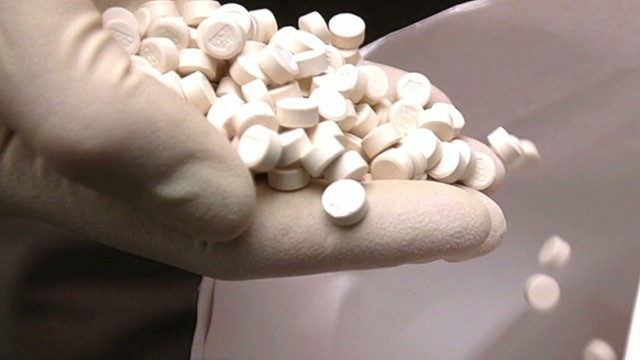
(from cnn.com – fair use)
It seems as though everywhere I turned, teenagers and young adults are “zombied out”—glass-eyed, staggering, mumbling, detached from reality. Molly (methylenedioxymethamphetamine or MDMA), often cut with toxic fillers, is not just a recreational drug; it is a psychological and neurological time bomb. Its use is linked to long-term memory loss, depression, psychosis, and even death. But in Linden, its use has become normalised.
I raised my concerns with several people around the community, including a few officials. I was met in some cases with unawareness, excuses, or worse—denial. One resident told me he goes to bed early and isn’t affected by it. I smiled, not from amusement, but frustration. This is NIMBYism—“Not In My Back Yard”—at its most dangerous. Because eventually, it becomes NIMBY reversed: “Now In My Back Yard.”
Then I was given some data and horror eclipsed even frustration. Recent reports indicate that over 800 young people in Linden were treated for mental health issues related to drug use—at the Mackenzie Hospital alone. That number is not just alarming; it is catastrophic. And let us not pretend these are isolated cases. These are the ones who made it to the hospital. What of those who didn’t? Who are quietly slipping through the cracks?
This is a full-blown public health crisis.
Sociologist Émile Durkheim once posited that communities under strain experience anomie—a breakdown of norms and social cohesion. That’s what Linden is facing: a collapse of shared values, discipline, and vision. Young people aren’t just bored or unemployed—they are untethered. They lack community, purpose, and protective structures.
Where are the social workers? Where are the youth mentors? The PTAs, the social clubs, the music lessons, the sports clubs, the church youth groups? Where are the spaces for creativity and growth?
We cannot continue to point fingers at the government while doing little to restore the moral and social fibre of our own backyard. Yes, government policy matters, and systemic neglect is real—but community silence is complicity.

AI-generated image.
And here’s the paradox: opportunity exists. Linden is no longer the jobless shell of the 1990s and early 2000s. Job opportunities have increased. Construction is booming. Yet, I struggled to purchase concrete blocks because all the block yards were short-staffed. Why? Because, as one vendor told me bluntly, “The boys dem ain’t coming to work. Dem deh in drug yard blowing molly.”
There was a time when the biggest challenge was a lack of opportunity. Today, the challenge is a lack of will, and perhaps a lack of vision. Lindeners have an opportunity to build wealth, maybe not at the scale we might desire, or at the pace enjoyed by other groups, but the opportunities are real and present. Sadly our youth are squandering them by investing time, effort, money, and indeed their future in drug use..
Where are the kitchen gardens that once fed our homes and souls? Where are the clubs that once gave us pride and purpose? I remember belonging to the Circle Tennis Club, where we built discipline, friendship, and community. You were too engaged to go astray. Today, our young men are idle, alienated, and being devoured by addiction.
In 1989, psychologist Urie Bronfenbrenner described human development as shaped by nested systems: family, peers, school, community, culture. When all these systems fail, a child collapses. When they all work together, a child soars. Linden’s systems are failing.
Let me be clear: this is not a condemnation! It is a call to action. The degradation in our community is alarmingly real. We cannot afford another year of denial, of sleepwalking into disaster. We need to revive community leadership, develop grassroots programs, reclaim our public spaces, and mobilise every sector—faith, education, health, business, sports, and culture—to save our youths.
Let’s not wait for a generation to be lost before we act. Let Linden rise, not by accident or nostalgia, but by intention, effort, and care.
Support this page and the other work that we do by purchasing copies of Legends of the Black Water or purchasing from amazon.com via this associate link (earns commission).
 rootsandeduculture